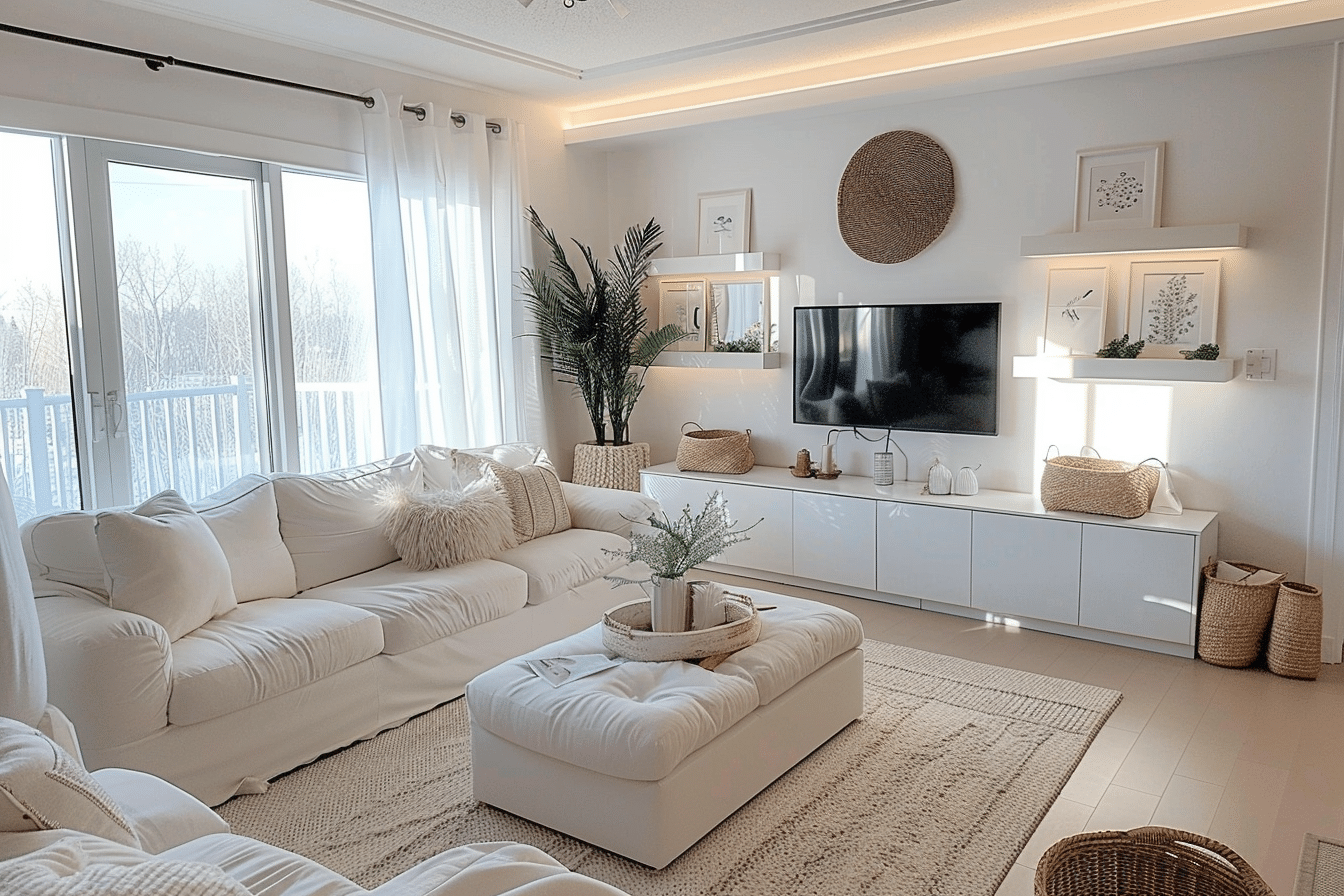
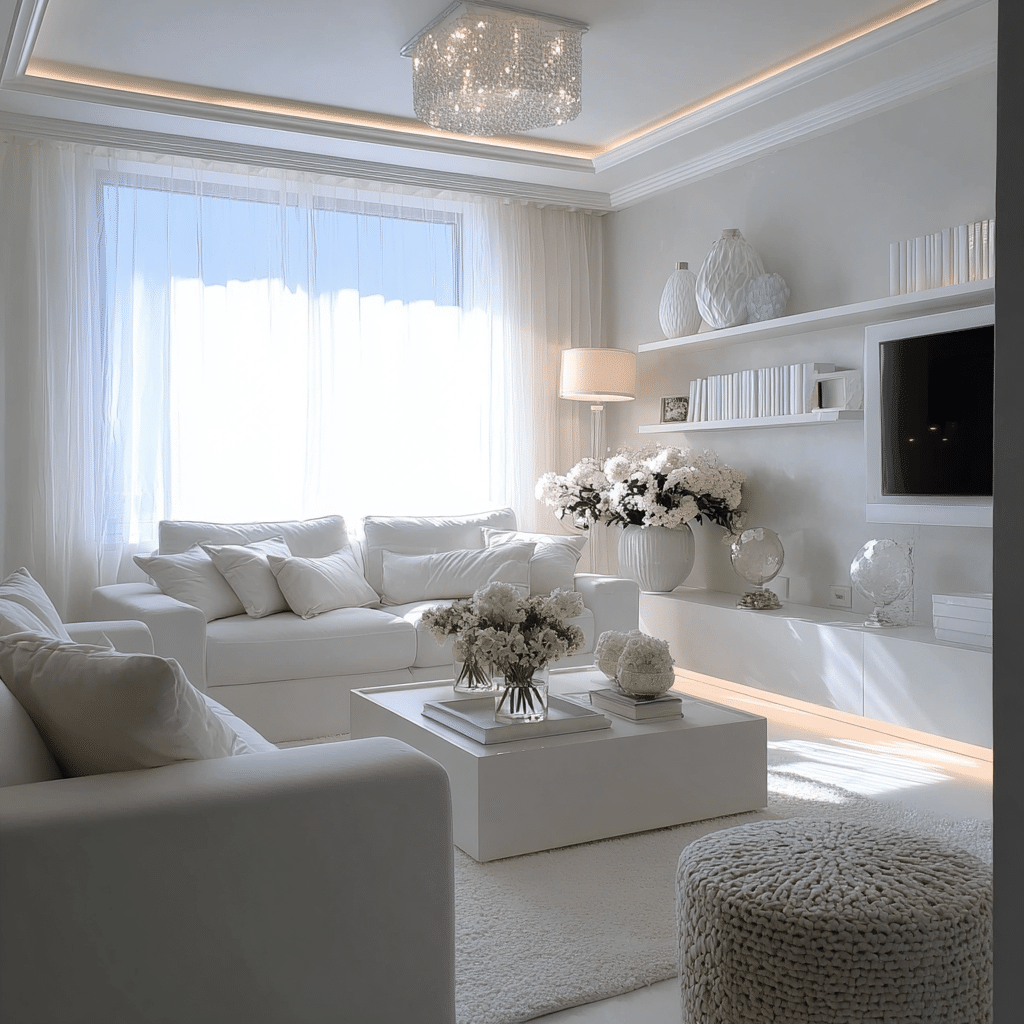
Creating a stunning small living room doesn’t require a massive budget or extensive square footage. In fact, a white small living room can become your dream living space with thoughtful design choices and the right wallpaper selections. White serves as a versatile canvas that amplifies natural light, creates an illusion of spaciousness, and provides an elegant backdrop for your personal style.
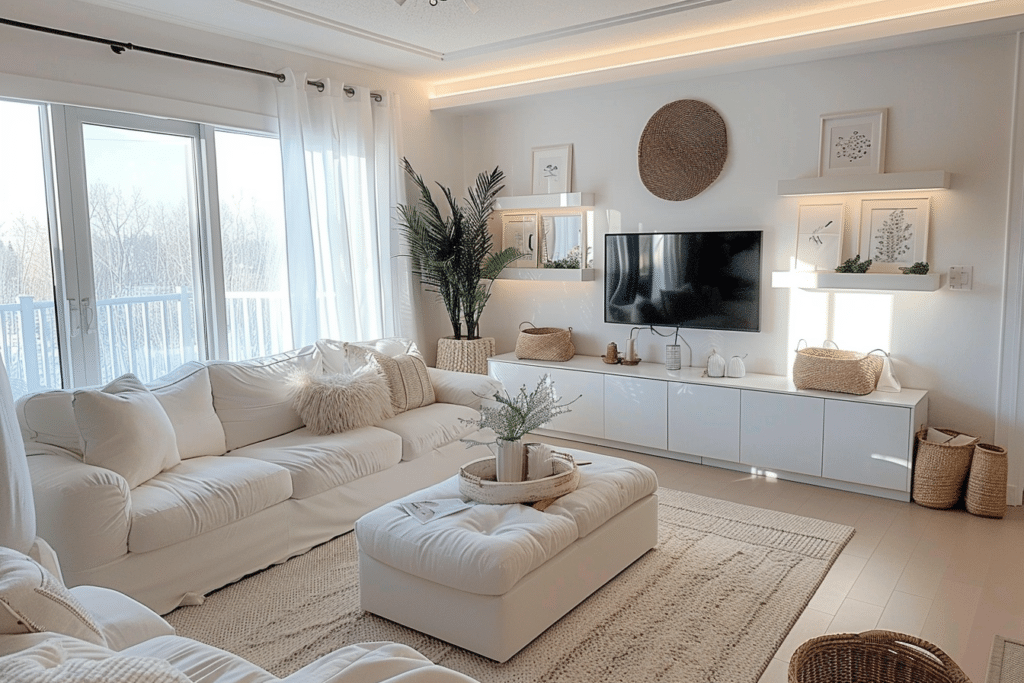
Whether you’re working with a cozy apartment living room or a compact family space, understanding how to leverage color harmony and wallpaper design can transform your small living room into a sophisticated sanctuary.
The beauty of choosing white as your primary color lies in its psychological effects. White promotes calm, clarity, and openness—qualities every small living room desperately needs. When combined with strategic wallpaper choices and complementary accents, a white small living room becomes infinitely more interesting and inviting than plain painted walls. In this comprehensive guide, we’ll explore creative wallpaper ideas, color combinations, and interior design tips that will help you achieve the white small living room of your dreams.
Table of Contents
Why White Is the Perfect Choice for Small Living Rooms
White wallpaper and décor choices offer multiple advantages for compact spaces. The color reflects light effectively, making even the tiniest living rooms feel brighter and more spacious. This optical expansion is crucial when working with limited square footage. Additionally, white creates a neutral foundation that allows you to introduce personality through accessories, artwork, and accent pieces without overwhelming the space.
Beyond practical benefits, white conveys luxury and sophistication. Design magazines frequently feature white-dominated interiors because the color naturally elevates any space. A white small living room feels intentional and curated rather than cramped or unfinished. The color also promotes better mental clarity and reduces visual clutter, helping you maintain a peaceful atmosphere in your home.
Wallpaper Ideas for Your White Small Living Room
Subtle Texture Wallpapers
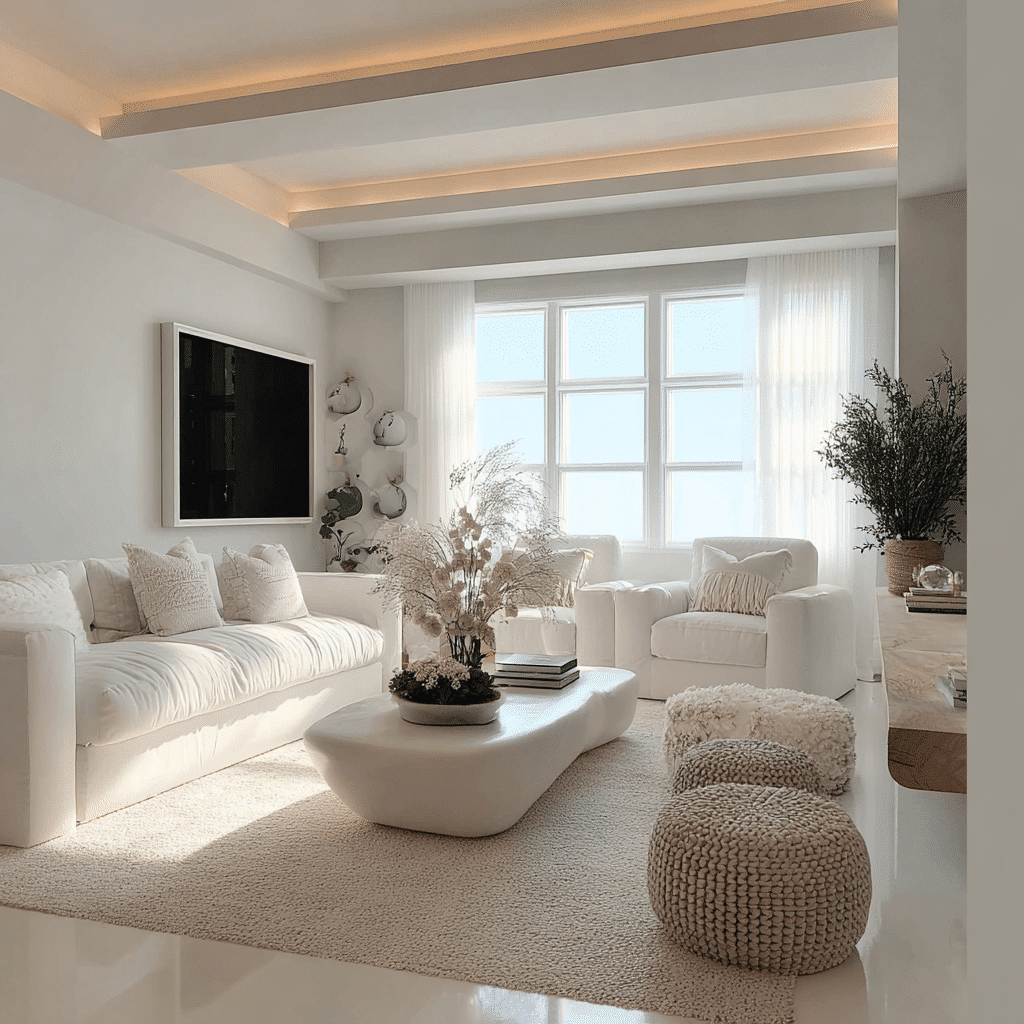
One of the most effective approaches to white small living room design involves textured wallpaper options. Rather than choosing flat, plain walls, consider wallpapers with subtle patterns like linen textures, embossed geometric designs, or soft woven patterns. These options maintain the brightness and spaciousness of white while adding visual interest and depth to your walls.
Textured wallpapers create a three-dimensional quality that makes spaces feel more sophisticated. In a small living room, this added complexity prevents the space from feeling sterile or institutional. Popular textured options include grasscloth wallpaper, embossed damask patterns, and subtle striped designs. Each option maintains the clean aesthetic of white while introducing subtle detail.
Minimalist Geometric Patterns
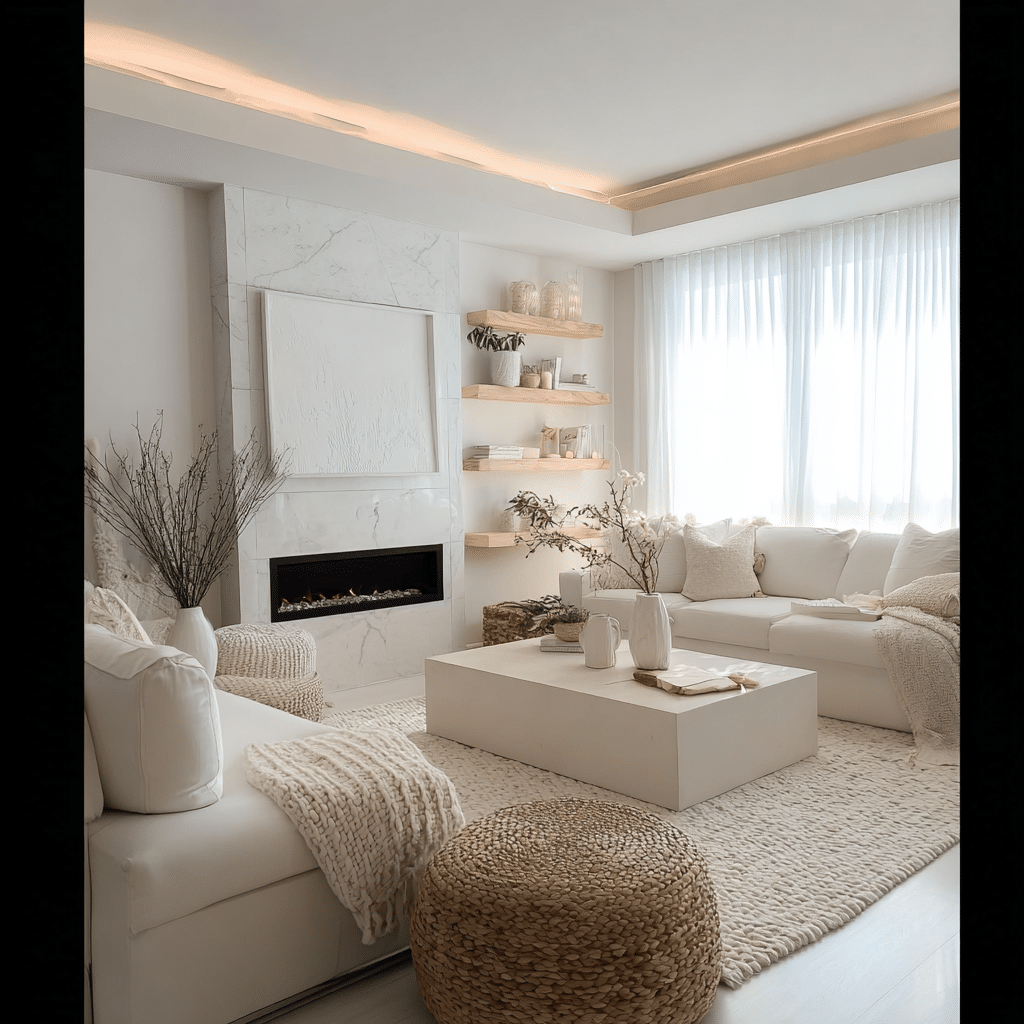
Geometric wallpaper patterns in white and cream tones work beautifully in small living rooms. These patterns include delicate geometric shapes, subtle lines, or modern hexagonal designs. The key is choosing patterns that don’t overwhelm the space—opt for small-scale geometrics rather than bold, large-format designs that can make compact rooms feel chaotic.
Geometric patterns appeal to contemporary aesthetic preferences while maintaining functionality. A white wallpaper with soft gray geometric accents, for instance, adds visual interest without introducing a second dominant color. This approach allows your small living room to feel both modern and timeless.
Botanical and Floral Elements
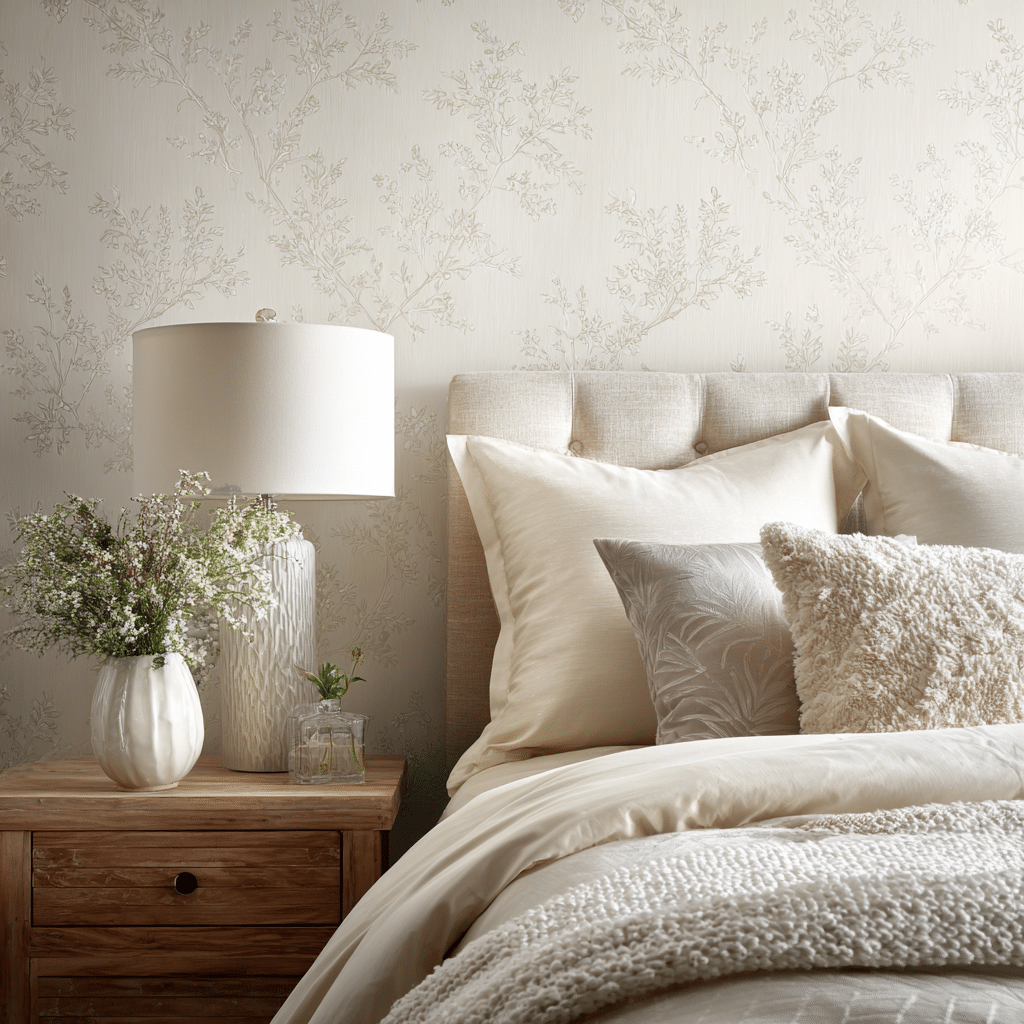
Delicate botanical wallpapers in white and cream create a serene, nature-inspired atmosphere perfect for small living rooms. These designs feature subtle leaf patterns, flowering branches, or minimalist botanical line drawings. The inclusion of soft greens or muted earth tones within predominantly white patterns creates visual harmony without overwhelming limited space.
Floral wallpapers work particularly well in small living rooms when the design scale remains proportionate to the room size. A wallpaper featuring small, scattered botanicals feels lighter and airier than dense, large-scale floral patterns. Consider placing botanical wallpaper on a single accent wall to create visual interest without consuming the entire room with pattern.
Shimmering and Metallic Accents
White wallpaper with subtle metallic accents—such as silver, gold, or copper—introduces glamour and sophistication to small living rooms. These shimmering elements catch light throughout the day, creating dynamic visual interest. Metallic accents in white wallpaper work especially well in spaces with good natural lighting or in rooms where you’ve invested in quality artificial lighting solutions.
The reflective properties of metallic-accented wallpaper enhance the light-amplifying benefits of white color. In a small living room, this creates an almost ethereal quality that makes the space feel larger and more luxurious. Choose subtle metallic finishes rather than overwhelming shine—the goal is enhancement, not distraction.
Color Harmony and Accent Colors for White Small Living Rooms
The Power of Monochromatic Design
Monochromatic color schemes—using various shades and tints of white and cream—create cohesive, sophisticated small living rooms. This approach involves layering different textures and finishes within a limited color palette. Combine cream-colored wallpaper with ivory upholstery, off-white throw pillows, and light beige area rugs to create visual depth without introducing contrasting colors.
Monochromatic design feels intentional and luxurious. The subtle variations in tone prevent the space from feeling flat or boring. Small living rooms benefit tremendously from this approach because the cohesive color story makes compact spaces feel organized and purposefully designed rather than cluttered or randomly furnished.
Soft Neutral Accents
While maintaining white as your primary color, introduce soft neutral accents such as warm beige, soft gray, or gentle taupe. These accent colors should appear in approximately 20-30% of your room’s color distribution. Use these tones in upholstery, throw pillows, wall art, or decorative accessories rather than overwhelming wall space.
Soft neutral accents add warmth and prevent white-dominated spaces from feeling cold or clinical. A gray accent chair, beige throw blanket, or taupe coffee table provides necessary visual breaks while maintaining the spacious, light-filled aesthetic of your white small living room. This approach creates sophistication without sacrificing the practical benefits of white primary color.
Muted Jewel Tones for Personality
For those seeking more personality and visual impact, muted jewel tones provide an excellent solution for white small living rooms. Consider soft sage green, dusty blue, muted blush, or pale terracotta as accent colors. These tones appear in small quantities—perhaps as a single accent wall, artwork, or collection of decorative objects.
Jewel tone accents in muted, desaturated versions work beautifully against white backgrounds. They add personality without overwhelming limited space. A single accent wall featuring soft sage wallpaper, for instance, creates visual interest while allowing the rest of the room to maintain its bright, spacious quality.
Natural Wood Tones
Incorporate warm natural wood tones through furniture and decorative elements. Light wood furniture such as oak, maple, or birch pairs beautifully with white and cream wallpaper. Wood introduces warmth and organic texture to what might otherwise feel sterile. In small living rooms, choose furniture with slim profiles to maintain spaciousness while introducing natural material interest.
Expert Interior Design Tips for Small White Living Rooms
Tip 1: Maximize Natural Light with Strategic Wallpaper Placement
Choose white or cream wallpaper for walls opposite windows to maximize light reflection. If your small living room receives limited natural light, glossy or semi-gloss wallpaper finishes bounce light more effectively than matte finishes. Position decorative elements to enhance rather than obstruct light pathways throughout your space.
Tip 2: Use Vertical Patterns to Enhance Ceiling Height
In small living rooms with lower ceilings, select wallpaper with vertical patterns or subtle vertical emphasis. Vertical elements guide the eye upward, creating an illusion of higher ceilings and greater vertical space. This psychological trick effectively makes compact rooms feel less confined and more comfortable.
Tip 3: Implement the 60-30-10 Color Rule
Apply interior design’s classic 60-30-10 color rule to your white small living room. Allocate 60% of your space to white (walls and major furniture), 30% to secondary neutral colors (upholstery and larger accessories), and 10% to accent colors (artwork, throw pillows, and small decorative objects). This balanced distribution creates visual harmony and prevents overwhelming limited space.
Tip 4: Choose Furniture with Slim Profiles and Open Legs
In small living rooms, furniture selection dramatically impacts perceived spaciousness. Select pieces with exposed legs rather than skirted designs, and choose furniture with clean lines rather than bulky forms. Paired with white wallpaper, slim-profile furniture maintains visual lightness and prevents your space from feeling cramped.
Tip 5: Layer Lighting for Ambiance and Function
White walls amplify light beautifully, but small living rooms benefit from thoughtfully layered lighting. Combine overhead lighting with wall sconces, table lamps, and decorative lighting elements. This layering creates ambiance while ensuring adequate brightness throughout the space. Proper lighting highlights the best qualities of white wallpaper while creating welcoming atmospheres for different times of day.
Popular Wallpaper Trends for Modern White Small Living Rooms
Sustainable and Eco-Friendly Wallpaper Options
Modern homeowners increasingly choose sustainable wallpaper made from natural materials such as rice paper, grasscloth, or recycled fibers. These eco-friendly options work beautifully in white small living rooms while aligning with environmentally conscious values. Sustainable wallpapers often feature organic textures that add visual interest to white spaces without compromising environmental responsibility.
3D and Dimensional Designs
Contemporary wallpaper trends include three-dimensional and dimensional designs that create dramatic visual effects. These options range from subtle embossing to textured surfaces that literally extend from the wall. In small living rooms, choose dimensional wallpapers with understated patterns to achieve sophistication without overwhelming compact spaces.
Artistic and Abstract Wallpapers
Modern design celebrates artistic wallpapers featuring abstract brushstrokes, watercolor effects, or contemporary artistic expressions. These designs in soft white and cream tones add creative energy to small living rooms while maintaining the spacious aesthetic white provides. Abstract patterns feel contemporary and curated, elevating small spaces beyond basic design.
Removable and Peel-and-Stick Options
Renters and those seeking flexibility increasingly appreciate removable wallpaper options. Modern peel-and-stick wallpapers in white and neutral tones provide design flexibility without permanent installation. These options work beautifully in small living rooms where flexibility maximizes design potential without renovation costs.
Wallpaper Applications Beyond Living Rooms
White Wallpaper Ideas for Small Bedrooms
Bedrooms benefit tremendously from white and cream wallpaper selections. These calming colors promote better sleep while maintaining spacious atmospheres in compact bedrooms. Consider subtle textured wallpapers or soft botanical designs that create serene environments conducive to rest and relaxation. Explore our bedroom wallpaper collection for inspiration.
Hallway Design with White Wallpaper
Hallways are perfect candidates for white wallpaper applications, especially in smaller homes. White expands narrow hallway spaces and connects different areas of your home with cohesive design. Metallic-accented or subtly patterned white wallpapers in hallways create sophisticated transitions between rooms while maintaining visual continuity throughout your home.
Dining Room Sophistication
White wallpaper with subtle metallic accents or delicate patterns creates elegant dining room environments. These choices elevate everyday meals while maintaining the spacious, sophisticated atmosphere that white provides. Pair white wallpaper with quality lighting and refined furniture selections to create dining spaces that feel both comfortable and elevated.
Home Office Productivity
Home offices benefit from white wallpaper’s calming properties and light-amplifying characteristics. A white small living room converted to a home office maintains focus and clarity while supporting productivity. Add subtle texture or geometric patterns to prevent boredom during long work sessions while maintaining the concentration-friendly environment white provides.
Styling Tips for Maximizing Your White Small Living Room
Layering Textures and Materials
Create visual richness in white small living rooms by layering diverse textures and materials. Combine smooth wallpaper with woven throws, silk pillows, velvet upholstery, natural wood elements, and metal accents. This textural variety prevents monochromatic spaces from feeling flat or sterile while maintaining the cohesive aesthetic white provides.
Strategic Art and Decoration Placement
Artwork becomes a focal point in white-dominated spaces. Choose pieces that reflect your personality and style, positioning them thoughtfully on your white wallpaper backdrop. A gallery wall arrangement, large statement piece, or carefully curated collection draws visual interest while the white surrounding area prevents overwhelming compact spaces.
Mirrors for Enhanced Light and Space
Strategically placed mirrors amplify the light-reflecting benefits of white wallpaper while creating the illusion of expanded space. Position mirrors opposite windows or light sources to maximize their reflective properties. In small living rooms, mirrors become functional design elements that enhance both atmosphere and perceived square footage.
Plants and Greenery
Living plants introduce organic color and natural beauty to white small living rooms. Green foliage creates striking visual contrast against white backgrounds while improving air quality and adding life to compact spaces. Select plants appropriate for your lighting conditions and maintenance preferences, positioning them to enhance rather than clutter your layout.
Common Mistakes to Avoid When Choosing Wallpaper for Small Spaces
Selecting Patterns Too Large for the Space
One of the most common mistakes in small living room design involves choosing large-scale wallpaper patterns. Oversized patterns overwhelm compact spaces and make them feel smaller rather than larger. Always scale pattern size appropriately to your room dimensions—smaller rooms work best with small or medium-scale patterns.
Choosing Wrong Wallpaper Finishes
Matte finishes in dark or heavy patterns can absorb light and make small rooms feel cramped. Instead, choose glossy or semi-gloss finishes for white wallpapers to maximize light reflection. The finish you select dramatically impacts how wallpaper functions in small spaces, so prioritize light-reflecting options.
Ignoring Quality Installation
Poor wallpaper installation can make even the most beautiful designs look subpar. Poorly aligned patterns, wrinkles, or bubbles distract from your design intention and make compact spaces feel less polished. Invest in professional installation or educate yourself thoroughly before attempting DIY application.
Overwhelming with Too Many Patterns
Combining multiple competing patterns in small spaces creates visual chaos. Choose one primary wallpaper pattern and keep other design elements simpler. If using patterned wallpaper, select solid-colored furniture and accessories to maintain visual balance.
Neglecting Color Undertones
Not all whites are created equal. White wallpaper contains various undertones—some lean warm (yellow or cream), while others lean cool (blue or gray). Ensure your white wallpaper undertones complement your existing furniture, flooring, and architectural elements. Mismatched undertones create jarring transitions that compromise design cohesion.
Failing to Consider Maintenance
White wallpaper requires more frequent cleaning than darker colors. Choose washable or scrubbable finishes if you have children or pets. Understanding maintenance requirements before installation ensures your beautiful white wallpaper remains pristine and beautiful throughout its lifespan.
Practical Beginner’s Guide to Choosing and Installing White Wallpaper
Step 1: Measure Your Space Accurately
Before selecting wallpaper, measure your living room dimensions precisely. Calculate wall area in square feet, noting window and door locations. Accurate measurements ensure you purchase sufficient wallpaper without excessive waste. Most wallpaper comes in rolls covering specific square footage, so precise measurements prevent shopping mistakes.
Step 2: Assess Your Lighting Conditions
Evaluate your small living room’s natural and artificial lighting. Rooms with abundant natural light can accommodate slightly warmer or more textured white wallpapers. Poorly lit spaces benefit from glossy finishes and cool-undertone whites that reflect available light effectively. Understanding your lighting conditions guides wallpaper selection for optimal visual results.
Step 3: Sample Wallpaper in Your Space
Order wallpaper samples and observe them in your actual living room throughout different times of day. Lighting changes dramatically affect color perception, so viewing samples in your specific conditions prevents disappointing surprises after installation. Allow samples to remain in your space for several days before making final decisions.
Step 4: Select Appropriate Finishes
Choose wallpaper finishes based on your maintenance preferences and room function. Matte finishes offer elegant aesthetics but require more careful maintenance. Washable or scrubbable finishes withstand cleaning better, making them practical for high-traffic spaces. Glossy finishes maximize light reflection but may show fingerprints more readily.
Step 5: Prepare Your Walls Properly
Clean walls thoroughly and repair any damage before wallpaper installation. Smooth, clean surfaces ensure proper adhesion and professional-looking results. If walls are glossy, lightly sand them to improve wallpaper adhesion. Proper preparation prevents installation problems and ensures longevity.
Step 6: Consider Professional Installation
While DIY installation saves money, professional installers ensure superior results, particularly for small rooms where precision matters greatly. Professional installation guarantees proper pattern alignment, smooth application, and attention to detail that maximizes your wallpaper investment.
Frequently Asked Questions About White Small Living Room Design
Will white wallpaper make my small living room feel cold?
Not necessarily. White contains various undertones—warm whites with cream or yellow undertones create cozy atmospheres, while cool whites with blue undertones feel more contemporary. Additionally, layering warm textiles, natural wood elements, and soft lighting combats any coldness. The key is selecting white wallpaper undertones that complement your existing décor and introducing sufficient warm elements through furniture and accessories.
How often do I need to clean white wallpaper?
The frequency depends on your lifestyle and wallpaper finish. Washable wallpapers in high-traffic areas like living rooms may require monthly spot-cleaning. Use mild soap and soft cloths rather than harsh chemicals. Most professionals recommend annual gentle cleaning for maintained appearance. Choosing appropriate finishes for your lifestyle prevents excessive maintenance requirements.
Can I use multiple white wallpaper patterns in one small living room?
Use multiple patterns cautiously in small spaces. If incorporating multiple patterns, ensure they share similar scales and complementary designs. Alternatively, use patterned wallpaper on a single accent wall and solid white wallpaper elsewhere. This approach maintains visual harmony while introducing pattern interest without overwhelming compact spaces.
What’s the best lighting for small living rooms with white wallpaper?
Layer multiple light sources including overhead fixtures, wall sconces, table lamps, and accent lighting. Warm-toned bulbs (2700K color temperature) create cozy atmospheres, while cooler tones (4000K) feel more contemporary. White wallpaper reflects light beautifully, so adequate lighting maximizes this benefit. Dimmable fixtures offer flexibility for different moods and times of day.
How can I add personality to a white small living room without compromising spaciousness?
Introduce personality through carefully selected accessories, artwork, and accent colors rather than overwhelming wall coverage. Display personal collections, incorporate meaningful artwork, choose decorative objects reflecting your interests, and use strategically placed accent colors. This approach maintains the spacious benefits white provides while expressing individual style authentically.
Is white wallpaper practical for families with children and pets?
Yes, with appropriate preparation. Choose wallpaper with scrubbable or washable finishes that withstand cleaning. Select textured patterns that hide minor marks better than perfectly smooth finishes. Maintain furniture placement strategically to protect walls from frequent contact. Use protective wall coverings in high-traffic areas if necessary. Proper maintenance ensures white wallpaper remains beautiful despite active household demands.
Conclusion: Creating Your Dream White Small Living Room
Transforming a small living room into your dream space doesn’t require massive renovations or expensive renovations. By thoughtfully selecting white wallpaper, incorporating complementary color harmony, and applying expert design principles, you can create sophisticated, spacious-feeling environments that reflect your personal style. White serves as the perfect foundation for small living room design—amplifying light, creating visual expansion, and providing elegant backdrops for personal expression.
Whether you choose textured wallpapers, subtle geometric patterns, or minimalist designs, white remains the ideal choice for maximizing small spaces. Combined with strategic lighting, carefully selected accessories, and complementary furnishings, a white small living room becomes infinitely more interesting and inviting than you might initially imagine. Start your design journey today by selecting wallpaper that speaks to your aesthetic preferences, then layer in colors and textures that reflect your unique personality. Your dream white small living room awaits.