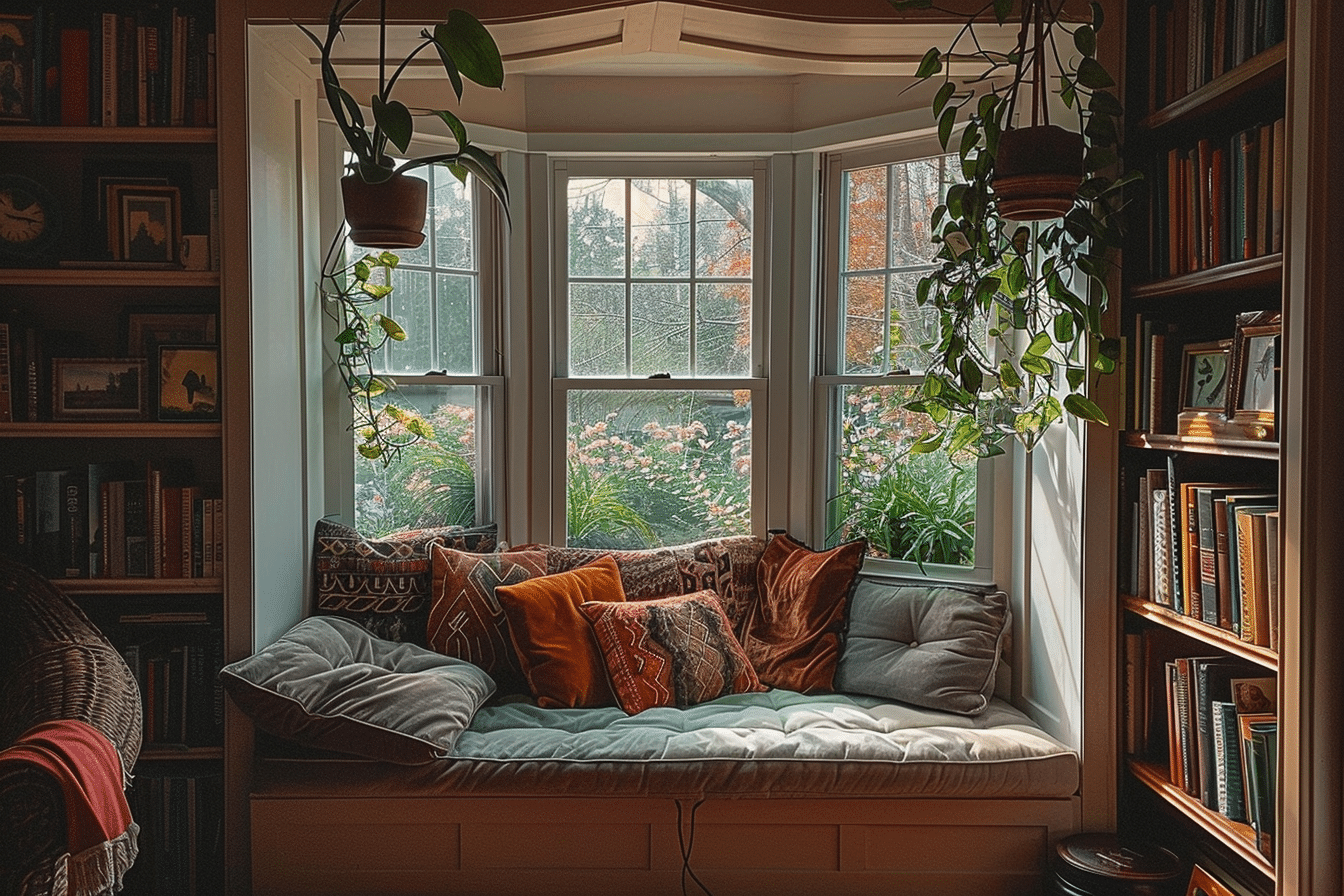
There’s something inherently magical about a well-designed nook. Whether it’s a sun-drenched bay window or a tucked-away reading corner, these intimate spaces offer sanctuary from the hustle and bustle of daily life. A house nook ideas collection focused on cozy bay windows and reading corners is more than just interior design it’s about creating a personal retreat within your own home.
These spaces invite you to slow down, curl up with a good book, or simply sit in quiet contemplation. The right wallpaper, lighting, and furnishings can transform an ordinary corner into an extraordinary haven that you’ll cherish for years to come.
Understanding the Appeal of Cozy Nooks
Cozy nooks have become increasingly popular in modern home design, and for good reason. They provide a sense of enclosure and intimacy that larger rooms simply cannot replicate. A well-designed nook creates a psychological shift—stepping into your nook signals to your mind that it’s time to relax and unwind. The beauty of house nook ideas is that they cater to different personalities and lifestyles. Some people thrive in a quiet reading corner surrounded by their favorite books, while others prefer a bright bay window where they can watch the world go by with a warm beverage in hand.
The key to creating a successful nook lies in understanding the unique characteristics of your space and choosing design elements that enhance its natural strengths. This includes selecting the right wallpaper, color palette, lighting, and furnishings that work together harmoniously.
Wallpaper Ideas for Bay Windows
Light and Airy Designs for Sunlit Spaces
Bay windows are natural light magnets, making them ideal canvases for wallpaper designs that complement their brightness. For a bay window nook, consider wallpapers with soft, muted tones like cream, pale blue, or subtle sage green. These colors enhance the natural light without creating a harsh or overstimulating environment. Delicate floral patterns work beautifully in bay windows, creating a botanical garden effect that feels both sophisticated and inviting.
Light and airy wallpaper designs help maximize the sense of space while creating a serene atmosphere perfect for reading or relaxation. Geometric patterns with plenty of negative space also work well in bay windows, as they add visual interest without overwhelming the space.
Creating Depth with Pattern Selection
If you want to add more visual interest to your bay window, consider wallpapers with subtle depth and layering. Damask patterns, subtle stripes, or tonal geometric designs can add sophistication without sacrificing the airy feel. The key is choosing patterns where the color variation is minimal but the textural interest is significant. This creates visual depth while maintaining the light, open feeling that makes bay windows so appealing.
Accent Walls for Maximum Impact
One effective strategy is to wallpaper only one wall of your bay window area—typically the wall behind your reading chair or seating area. This creates a focal point while keeping the space from feeling too enclosed. A bold pattern or richer color on the accent wall can make a powerful statement without overwhelming the entire nook.
Reading Corner Wallpaper Designs
Warm and Intimate Color Palettes
Reading corners thrive with warm, enveloping color schemes. Consider wallpapers in warm neutrals like taupe, soft gold, or warm gray. These colors create a cocoon-like atmosphere that encourages relaxation and deep focus. Pair these neutral backgrounds with subtle patterns—perhaps small-scale botanical prints, delicate geometric designs, or classic stripes.
Warm color schemes actually improve concentration and create an environment where readers feel psychologically supported. The brain associates warm tones with comfort and safety, making them ideal for spaces dedicated to quiet activities.
Literary-Inspired Wallpaper Themes
For book lovers, consider wallpapers with literary themes. These might include subtle book spines, vintage typography, or quotes woven into the pattern. Wallpapers featuring library-inspired designs like old books, library cards, or vintage manuscripts add personality and reinforce the nook’s purpose. These designs work particularly well in reading corners and create an immediate sense of purpose and coziness.
Textured Wallpapers for Added Warmth
Textured wallpapers add another dimension to reading corners. Grasscloth, linen, or embossed wallpapers create tactile interest and catch light in beautiful ways. These textures contribute to the overall sensory experience of your nook, making it feel even more inviting and sophisticated.
Expert Interior Design Tips for House Nook Ideas
Tip 1: Prioritize Lighting in Your Nook Design
Lighting is absolutely crucial when designing a reading corner or bay window nook. Combine multiple light sources—natural daylight, ambient ceiling lighting, and task lighting like a reading lamp. Install dimmable lights so you can adjust the mood throughout the day. Position your reading lamp behind or beside your seating to minimize glare on pages or screens. Proper lighting not only makes your nook more functional but also enhances the wallpaper design, as different lighting angles reveal various patterns and textures.
Tip 2: Choose Complementary Soft Furnishings
Your wallpaper should work in harmony with cushions, throws, and rugs. If your wallpaper features botanical motifs, consider solid-colored cushions in one of the accent colors from the pattern. Layer textures—a plush area rug, soft throw pillows, and a cozy blanket create a tactile experience that complements the visual design of your wallpaper. This combination of textures makes your nook irresistibly inviting.
Tip 3: Consider Window Treatments Carefully
In bay windows especially, window treatments need careful consideration. Avoid heavy drapes that block natural light or compete with your wallpaper design. Instead, opt for sheer curtains, roman shades, or minimal hardware that enhances rather than distracts. For reading corners without windows, decorative elements like floating shelves or wall-mounted artwork can create visual interest without the bulk of window treatments.
Tip 4: Balance Pattern and Solids
If your wallpaper features a bold pattern, keep other design elements relatively simple. Paint trim and doors in complementary solid colors. Choose solid-colored furniture rather than additional patterned pieces. This balance prevents visual chaos and allows your wallpaper to be the star of the space. Conversely, if you choose a subtle or tone-on-tone wallpaper, you have more freedom to introduce patterned textiles and accessories.
Tip 5: Use Paint and Wallpaper Combinations
You don’t need to wallpaper every wall. Consider combining wallpaper with paint for a sophisticated look. Paint three walls in a coordinating solid color and wallpaper one accent wall. Alternatively, wallpaper the wall behind your seating and paint the remaining walls. This approach creates visual interest while maintaining a sense of spaciousness and flexibility in your design scheme.
Wallpaper Design Ideas for Different Nook Locations
Living Room Nooks
Living room nooks serve multiple purposes—reading, conversation, or simply relaxing. Consider wallpapers that bridge different styles in your living room. If your main walls are neutral, a patterned wallpaper in your nook can serve as a focal point. Damask, geometric, or subtle floral patterns work well. Choose colors that complement your living room’s overall palette while adding depth and sophistication to the nook area.
Bedroom Reading Corners
Bedroom nooks should promote relaxation and good sleep. Soft, calming wallpapers in cool or warm neutral tones work best. Avoid highly stimulating patterns or bright colors. Consider wallpapers with subtle botanical prints, soft gradients, or gentle stripe patterns. These designs create a peaceful backdrop for reading before sleep and contribute to an overall restful bedroom environment.
Hallway Nooks
Narrow hallway spaces can be transformed into functional reading nooks with the right design approach. Use wallpaper to visually expand the space—light colors and small-scale patterns work best. Vertical stripes or delicate patterns can make a narrow hallway nook feel taller and more spacious. Add a small cushioned bench or chair and you have a charming reading retreat in an otherwise unused space.
Dining Room Alcoves
Dining room alcoves or banquettes benefit from wallpapers that complement your dining room’s style. Consider patterns that introduce a pop of color while maintaining cohesion with your dining space. This is an excellent location to experiment with bolder wallpaper designs, as the nook already has architectural definition and can support more visual impact.
Home Office Nooks
If you’ve created a reading or break corner within your home office, wallpaper can help define this separate zone. Use a different wallpaper pattern or color from your main office area to create a psychological separation between work and relaxation spaces. This visual distinction helps your brain shift modes and increases productivity in your main work area while maintaining a restorative break space.
Color Psychology and Nook Design
Cool Tones for Calm and Focus
Cool colors like blues, greens, and purples promote calmness and concentration. These hues are excellent choices for reading corners where focus is important. Soft sage green wallpapers create a nature-inspired retreat, while pale blue evokes the peaceful feeling of sea or sky. These cool tones reduce mental stimulation and help readers lose themselves in their books.
Warm Tones for Comfort and Intimacy
Warm colors including creams, warm grays, soft golds, and terracottas create a sense of warmth and inclusion. These colors are psychologically associated with comfort and safety, making them perfect for cozy reading corners where you want to feel enveloped and protected from the outside world.
Neutral Foundations with Color Accents
A neutral wallpaper in beige, gray, or cream provides a versatile foundation that allows you to introduce color through accessories. This approach offers flexibility—you can change cushion colors or artwork seasonally without needing to repaper. Neutral wallpapers also create a calm, sophisticated backdrop that doesn’t compete with your reading material or distract from relaxation.
Popular Wallpaper Trends for Modern Nooks
Botanical and Nature-Inspired Designs
Nature-inspired wallpapers continue to dominate interior design trends. These designs—whether featuring detailed botanical illustrations, subtle leaf patterns, or abstract natural forms—create a connection to the natural world within your home. In nooks, botanical wallpapers enhance the sense of retreat and sanctuary. They’re particularly effective in bay window spaces where natural light can highlight the intricate details of these patterns.
Vintage and Retro Patterns
Vintage wallpaper patterns are experiencing a renaissance. Retro geometrics, vintage florals, and classic damask patterns add personality and nostalgia to modern spaces. These timeless designs work beautifully in reading corners, creating an atmosphere reminiscent of classic libraries and comfortable vintage spaces.
Minimalist and Contemporary Designs
For those who prefer modern aesthetics, minimalist wallpapers with clean lines, subtle geometric shapes, or tonal gradients create sophisticated nooks. These designs maintain focus and don’t compete with contemporary furnishings. Large-scale geometric patterns in monochromatic or two-color schemes are particularly on-trend for modern interior spaces.
Sustainable and Eco-Friendly Wallpapers
Contemporary homeowners increasingly choose sustainable wallpaper options made from natural fibers or recycled materials. Grasscloth, cork, and paper-based wallpapers offer eco-friendly alternatives with beautiful texture and warmth. These sustainable choices align with modern environmental values while creating beautiful, nature-connected spaces.
Oversized and Statement Patterns
Bold, oversized patterns are having a moment in interior design. In nooks with good natural light or proper accent lighting, oversized patterns create dramatic focal points. A single accent wall with a statement pattern can transform an ordinary nook into a stunning interior design feature.
Common Mistakes to Avoid When Designing Your Nook
Mistake 1: Ignoring Natural and Artificial Lighting
One of the biggest mistakes homeowners make is choosing wallpaper without considering how it will look under different lighting conditions. Always view wallpaper samples in your actual nook space at different times of day. A pattern that looks beautiful in natural daylight might look muddy under artificial lighting. Conversely, a color that seems subtle in the showroom might appear too bold in your dimly lit corner.
Mistake 2: Choosing Patterns Too Bold for Small Spaces
While statement patterns are trendy, a pattern that’s too bold can make a small nook feel claustrophobic. In compact spaces, opt for smaller-scale patterns or larger patterns with significant negative space. Remember that bold patterns tend to make spaces feel smaller, so reserve the most dramatic designs for larger nooks with good lighting.
Mistake 3: Neglecting the Ceiling
Many nook designs overlook the ceiling. In small, enclosed nooks, the ceiling is part of your visual experience. Painting it a lighter shade than your walls makes the space feel taller. Alternatively, extending your wallpaper onto the ceiling can create an immersive, cave-like coziness—just ensure your space has adequate lighting to prevent feeling too enclosed.
Mistake 4: Ignoring Proportion and Scale
The scale of your wallpaper pattern should relate to the size of your nook. Large-scale patterns in tiny spaces can overwhelm. Small-scale patterns in large, open nooks might get lost. Consider the proportions carefully—in general, nooks benefit from smaller to medium-scale patterns that create visual interest without dominating the space.
Mistake 5: Forgetting About Maintenance and Durability
High-traffic nooks or reading corners where you’ll set down beverages should feature durable, wipeable wallpapers. Vinyl wallpapers and those with protective coatings resist stains and moisture better than delicate papers. Consider the practical realities of your nook before choosing a wallpaper type.
Mistake 6: Poor Color Coordination with Existing Spaces
Your nook doesn’t exist in isolation—it’s part of your larger home. Choose wallpaper colors and patterns that coordinate with adjacent rooms. This creates flow and prevents your nook from looking disconnected. Use color theory to ensure your nook either complements or intentionally contrasts with surrounding spaces in a harmonious way.
Step-by-Step Guide to Creating Your Perfect Nook
Step 1: Assess Your Space
Begin by honestly evaluating your nook. Measure the dimensions, note the natural light sources, and identify any architectural features like windows, doors, or built-ins. Photograph your space from multiple angles. This assessment will inform all subsequent design decisions.
Step 2: Define Your Purpose
Will your nook be primarily for reading? Quiet work? Meditation? Socializing? Your nook’s primary purpose should drive your design choices. A reading corner needs different considerations than a bay window conversation nook.
Step 3: Choose Your Color Palette
Select 2-3 main colors that will form the foundation of your design. Use color psychology principles—cool tones for focus, warm tones for comfort. Collect paint and wallpaper samples and view them in your space under different lighting conditions.
Step 4: Select Your Wallpaper
Order samples of your top wallpaper choices. Live with them for several days, viewing them at different times of day and in different lighting conditions. This ensures you’re making an informed decision rather than rushing your choice.
Step 5: Plan Your Furnishings
Choose furniture and accessories that complement your wallpaper. A comfortable chair or cushioned seating is essential. Add a side table for beverages or books, appropriate lighting, and soft furnishings like cushions and throws.
Step 6: Optimize Lighting
Install or position lighting to showcase your wallpaper while providing functional illumination for reading or work. Consider dimmer switches to adjust ambiance throughout the day.
Step 7: Add Personal Touches
Incorporate elements that reflect your personality—artwork, books, plants, or decorative objects. These personal touches make your nook truly yours.
Materials and Wallpaper Types for Nooks
Vinyl Wallpapers
Vinyl wallpapers are durable, moisture-resistant, and easy to clean—making them excellent for nooks near kitchens or bathrooms. They come in countless patterns and are relatively affordable. Vinyl wallpapers also tend to be forgiving during installation, making them suitable for DIY projects.
Paper Wallpapers
Traditional paper wallpapers offer a more delicate, refined appearance. They’re breathable and create an authentic vintage aesthetic. Paper wallpapers work beautifully in low-traffic, protected nooks where moisture and wear aren’t concerns.
Grasscloth and Natural Fiber Wallpapers
These textured options create warmth and visual interest. Grasscloth, jute, and sisal wallpapers add organic texture that complements natural nook environments. They’re particularly effective in bay windows where light can highlight the textural qualities.
Non-Woven Wallpapers
Non-woven wallpapers combine the best of paper and vinyl. They’re durable, breathable, and easy to install and remove. These wallpapers are increasingly popular for their practicality and design versatility.
DIY Installation Tips for Your Nook Wallpaper
If you’re planning to install your nook wallpaper yourself, start with a bay window or reading corner—these smaller spaces are forgiving for first-time installers. Prepare your walls thoroughly by cleaning and patching any imperfections. Use a level to mark guide lines before hanging. Work slowly and carefully, smoothing out air bubbles as you go. Consider watching installation tutorials for your specific wallpaper type, as application methods vary.
For beginners, starting with a smaller nook is an excellent way to gain experience before tackling larger walls. Many people find the process meditative and satisfying once they establish a rhythm.
Frequently Asked Questions About Nook Wallpaper Design
Q: What wallpaper colors make small nooks feel larger?
A: Light colors—cream, pale gray, soft blue, and pale green—make spaces feel more expansive. Vertical stripe patterns also create an illusion of height. Choose wallpapers with plenty of negative space to avoid overwhelming a compact area. Reflective or glossy finishes can also enhance the sense of light and space.
Q: Can I combine different wallpaper patterns in one nook?
A: Yes, but carefully. Use the 60-30-10 rule: 60% one pattern, 30% a coordinating pattern, 10% accent. Ensure patterns share similar color palettes and scales. For most nooks, however, a single cohesive wallpaper with complementary solid-colored walls and accessories creates a more sophisticated result.
Q: How do I choose between wallpaper and paint for my nook?
A: Wallpaper adds pattern, texture, and visual interest—perfect if you want to create a distinctive focal point. Paint offers simplicity and flexibility. Consider wallpaper if your nook lacks architectural interest, and consider paint if your space already has good character. Many designers combine both: wallpaper on one accent wall, paint on others.
Q: What lighting works best with wallpaper in reading nooks?
A: Soft, warm lighting (2700K color temperature) complements most wallpapers beautifully. Position task lighting to minimize glare on reading materials. Add dimmer switches to adjust brightness. Avoid harsh overhead lights that can create shadows and make patterns look less appealing. Layered lighting—combining ambient, task, and accent lighting—showcases your wallpaper while providing functional illumination.
Q: How long does wallpaper typically last in a nook?
A: Quality wallpaper lasts 7-10 years in protected nooks. High-traffic areas or spaces exposed to moisture require more durable vinyl wallpapers that may need replacement every 5-7 years. Proper installation and maintenance extend wallpaper longevity. Taking care to avoid excessive moisture and avoiding scuffs or damage helps preserve your investment.
Q: Can I update my nook wallpaper seasonally?
A: While wallpaper installation is semi-permanent, you can change your nook’s ambiance seasonally through cushions, throws, artwork, and accessories. These elements allow you to reflect seasonal color palettes without the commitment of new wallpaper. If you love switching things up, consider removable or peel-and-stick wallpapers that offer more flexibility.
Conclusion
Creating a cozy nook with thoughtfully chosen wallpaper transforms how you experience your home. Whether you’re designing a sun-soaked bay window or a tucked-away reading corner, the right design choices create a personal sanctuary that invites relaxation and reflection. By considering lighting, color psychology, pattern scale, and your space’s unique characteristics, you can create a nook that’s both beautiful and functional.
Remember that your house nook ideas should reflect your personal style and meet your lifestyle needs. Don’t rush the design process—collect inspiration, view samples in your actual space, and make thoughtful choices about wallpaper, furnishings, and lighting. The result will be a cherished retreat that you’ll enjoy for years to come. Start small if you’re new to interior design, perhaps with a reading corner or bay window, and build from there. Your cozy nook awaits.