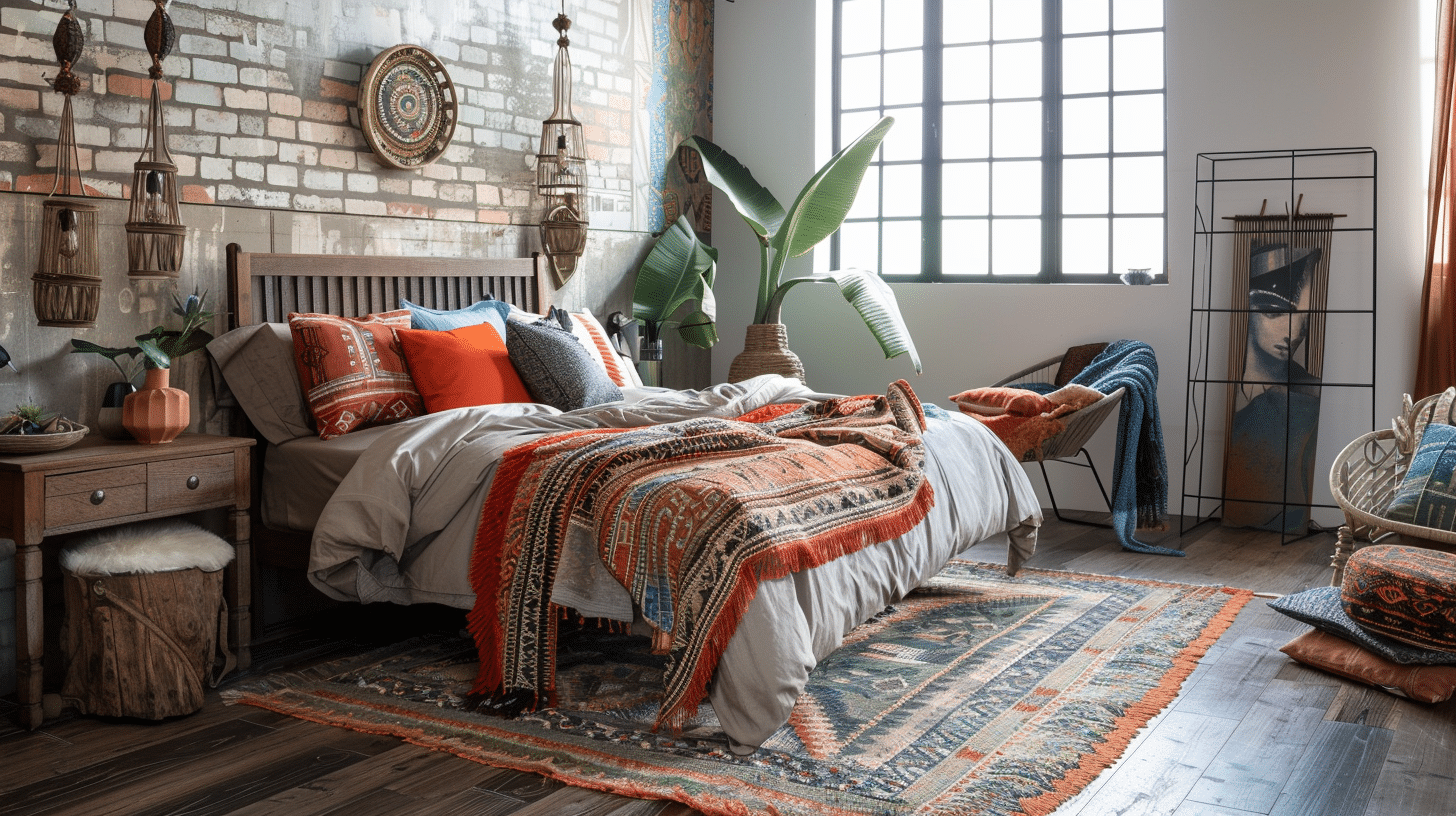
A bedroom that tells a story transforms a simple sleeping space into a deeply personal sanctuary reflecting your journey, passions, and personality. Rather than following generic design trends, narrative bedrooms incorporate meaningful objects, curated collections, and intentional decor choices that speak to who you are. This approach creates an intimate environment where every element serves as a chapter in your life’s ongoing narrative.

Design Overview
| Style | Description |
|---|---|
| Room Type | Bedroom |
| Difficulty | Intermediate |
| Budget Level | Medium |
| Best For | Personal spaces, master bedrooms, creative individuals |
Why A Bedroom That Tells a Story Works
This design philosophy succeeds because it taps into our fundamental human need for self-expression and belonging. When your bedroom reflects your authentic self through travel souvenirs, family heirlooms, artistic endeavors, or cultural heritage, you create emotional resonance that generic decor cannot achieve. The space becomes more than just functional; it becomes restorative, inspiring, and genuinely yours.
Narrative bedrooms also evolve naturally with you over time, making them inherently sustainable and meaningful. Unlike trend-driven designs that feel dated within seasons, story-driven spaces gain depth and character as new chapters unfold. This approach encourages mindful consumption, as you carefully select pieces that contribute to your narrative rather than purchasing items simply to fill space.
From a psychological perspective, surrounding yourself with meaningful objects reduces stress and enhances well-being. Your bedroom becomes a visual autobiography that grounds you, reminds you of achievements, and connects you to cherished memories. This personalized approach to interior design creates spaces that genuinely support mental health and personal growth.
Essential Decor Elements for A Bedroom That Tells a Story
| Element | Purpose | Alternatives |
|---|---|---|
| Display Shelving | Showcases collections, books, and meaningful objects without clutter | Floating shelves, gallery ledges, vintage cabinets |
| Personal Artwork | Reflects creative interests, travels, or family history through visual storytelling | Photography walls, framed textiles, children’s art |
| Layered Textiles | Adds warmth and texture while incorporating cultural patterns or heirloom fabrics | Vintage quilts, travel blankets, handwoven rugs |
| Statement Lighting | Creates ambiance and can itself be a conversation piece or inherited item | Vintage lamps, handmade fixtures, repurposed pieces |
| Memory Corners | Dedicates space to specific themes like travel, family, hobbies, or achievements | Bulletin boards, shadow boxes, dedicated vignettes |
| Accent Furniture | Incorporates pieces with history or personal significance beyond pure function | Inherited furniture, restored finds, handcrafted items |
Consider exploring additional bedroom styling techniques to enhance your personal narrative through thoughtful decor choices.
Step-by-Step Room Transformation Guide
Planning the Space
- Identify the stories you want your bedroom to tell by listing significant life experiences, passions, relationships, and values that define you.
- Gather existing meaningful items from around your home including photographs, souvenirs, inherited objects, and personal creations currently in storage.
- Assess your current bedroom layout and determine which areas can become dedicated narrative zones without compromising functionality or creating visual chaos.
- Create a mood board combining your meaningful items with complementary design elements that will unify the space aesthetically while maintaining personal significance.
Choosing the Color Palette
- Select a base color scheme that complements your most treasured items rather than forcing them into a predetermined aesthetic.
- Consider colors that appear repeatedly in your meaningful objects as these naturally reflect your preferences and create cohesion.
- Choose neutral wall colors that allow your personal items to take center stage without competing for attention.
- Incorporate accent colors through textiles and accessories that can easily change as your story evolves over time.
Furniture Layout
- Position your bed as the room’s anchor point while ensuring adequate wall space remains for displaying meaningful artwork and collections.
- Create intentional viewing angles so you can appreciate your story elements from the bed and other resting positions throughout the room.
- Incorporate furniture pieces with personal significance such as inherited dressers, restored vintage finds, or handcrafted items from local artisans.
- Designate specific zones for different narrative themes ensuring each area has proper lighting and sufficient space to be appreciated.
Decorative Accents
- Install gallery walls featuring photographs from significant life moments arranged in chronological order or thematic groupings that make visual sense.
- Display collections with intention using matching frames, uniform shelving, or coordinated containers that create cohesion without hiding the items’ individuality.
- Layer textiles including quilts, throw pillows, and blankets that carry cultural significance, family history, or memories from travels and special occasions.
- Incorporate living elements like plants in pots collected during travels or inherited planters that add life while contributing to your narrative.
Final Styling
- Edit ruthlessly to ensure every visible item contributes meaningfully to your story rather than creating visual clutter that dilutes the narrative.
- Add proper lighting to highlight key pieces including picture lights for artwork, spotlights for collections, and ambient lighting for overall atmosphere.
- Create balance between open display areas and concealed storage so practical items don’t distract from your carefully curated story elements.
- Document your finished space through photography and journaling to capture the current chapter before it naturally evolves with new experiences.
Interior Designer Tips
- Layer your narrative vertically by using walls from floor to ceiling for different story chapters, creating visual interest while maximizing limited wall space.
- Establish a unifying element such as consistent frame colors, repeated materials, or complementary textures that tie disparate meaningful objects into a cohesive design.
- Rotate displayed items seasonally or annually to keep your bedroom feeling fresh while allowing different aspects of your story to take prominence over time.
- Invest in quality lighting solutions including adjustable spotlights, picture lights, and dimmers that allow you to control how your narrative elements are illuminated and experienced.
- Create intentional negative space around your most significant pieces allowing them breathing room to be properly appreciated rather than competing with surrounding elements.
- Document the stories behind displayed objects through small labels, a dedicated journal, or digital records so the narrative remains clear and can be shared with others.
Common Decorating Mistakes
| Mistake | Why it Happens | How to Fix |
|---|---|---|
| Displaying Everything | Emotional attachment makes it difficult to curate, leading to overwhelming clutter that obscures rather than reveals your story | Rotate collections seasonally, keep some treasures in beautiful storage, and display only pieces that currently resonate most strongly |
| Ignoring Visual Cohesion | Focusing solely on meaning without considering aesthetics creates disjointed spaces that feel chaotic rather than intentional | Use consistent frames, unified color schemes, and repetitive materials to create visual harmony among diverse meaningful objects |
| Poor Lighting Design | Overlooking how objects will be illuminated diminishes their impact and makes the room feel flat or uninviting | Install layered lighting including ambient, task, and accent options with dimmers to properly showcase meaningful items |
| Neglecting Scale Balance | Mixing too many small objects without larger anchor pieces creates visual noise and makes the space feel cluttered | Incorporate larger statement pieces like oversized artwork or significant furniture to ground collections of smaller meaningful items |
| Forgetting Functionality | Prioritizing display over practical needs creates bedrooms that look good but don’t support daily living and restful sleep | Maintain clear pathways, adequate storage, and comfortable circulation while integrating narrative elements into the functional layout |
Style Variations for A Bedroom That Tells a Story
| Style | Description | Best For |
|---|---|---|
| Traveler’s Sanctuary | Features maps, souvenirs, textiles, and artwork collected from global adventures creating an internationally inspired personal museum | Frequent travelers, adventure seekers, cultural enthusiasts |
| Heritage Haven | Showcases family heirlooms, ancestral photographs, cultural artifacts, and traditional crafts celebrating family history and cultural roots | Individuals valuing family history, cultural preservation, multi-generational homes |
| Artist’s Retreat | Displays personal creative works, studio materials, inspirational pieces, and evolving projects reflecting an ongoing artistic journey | Creative professionals, hobbyist artists, makers and crafters |
| Collector’s Narrative | Organizes themed collections whether books, vintage items, natural objects, or specific interests into curated displays with intentional staging | Passionate collectors, researchers, enthusiasts with focused interests |
| Achievement Gallery | Highlights career milestones, educational accomplishments, athletic achievements, and personal growth markers celebrating life’s victories | Goal-oriented individuals, professionals, athletes, lifelong learners |
Each variation of a bedroom that tells a story requires thoughtful curation and strategic design planning to balance personal meaning with visual appeal.
Budget Friendly Alternatives
Creating a bedroom that tells a story doesn’t require expensive purchases since the most meaningful elements often come from what you already own. Start by shopping your own home, gathering forgotten treasures from closets, storage boxes, and other rooms that hold personal significance. Frame children’s artwork, display inherited dishes vertically on walls, or repurpose vintage suitcases as both storage and visual storytelling elements.
DIY framing solutions dramatically reduce costs while adding handmade character to your displays. Purchase inexpensive frames from discount stores and paint them a uniform color for cohesion, or create gallery walls using washi tape, string with clips, or clipboards for a more casual aesthetic. Print meaningful digital photographs affordably through online services or at home, rotating them regularly to keep your narrative fresh without ongoing expense.
Thrift stores and estate sales offer incredible opportunities to find unique display furniture, vintage frames, and decorative objects at fraction of retail costs. Look for pieces with character that complement your existing meaningful items such as vintage shelving, interesting boxes for organized collections, or unique lighting fixtures. Remember that imperfect, aged pieces often enhance narrative authenticity better than pristine new purchases.
Natural elements collected from meaningful places cost nothing but carry tremendous personal significance. Display stones from favorite beaches, pressed flowers from special occasions, or branches from meaningful locations in attractive containers. Create shadow boxes from DIY materials to showcase ticket stubs, postcards, and small mementos in organized, dust-free displays that look professionally designed.
Room Styling Inspiration
Consider creating a dedicated travel wall featuring a large world map as the backdrop with photographs, small souvenirs, and pushpins marking visited locations. Layer this with floating shelves displaying larger items collected during trips, and incorporate textiles like scarves or small rugs as wall hangings that add texture while telling geographic stories.
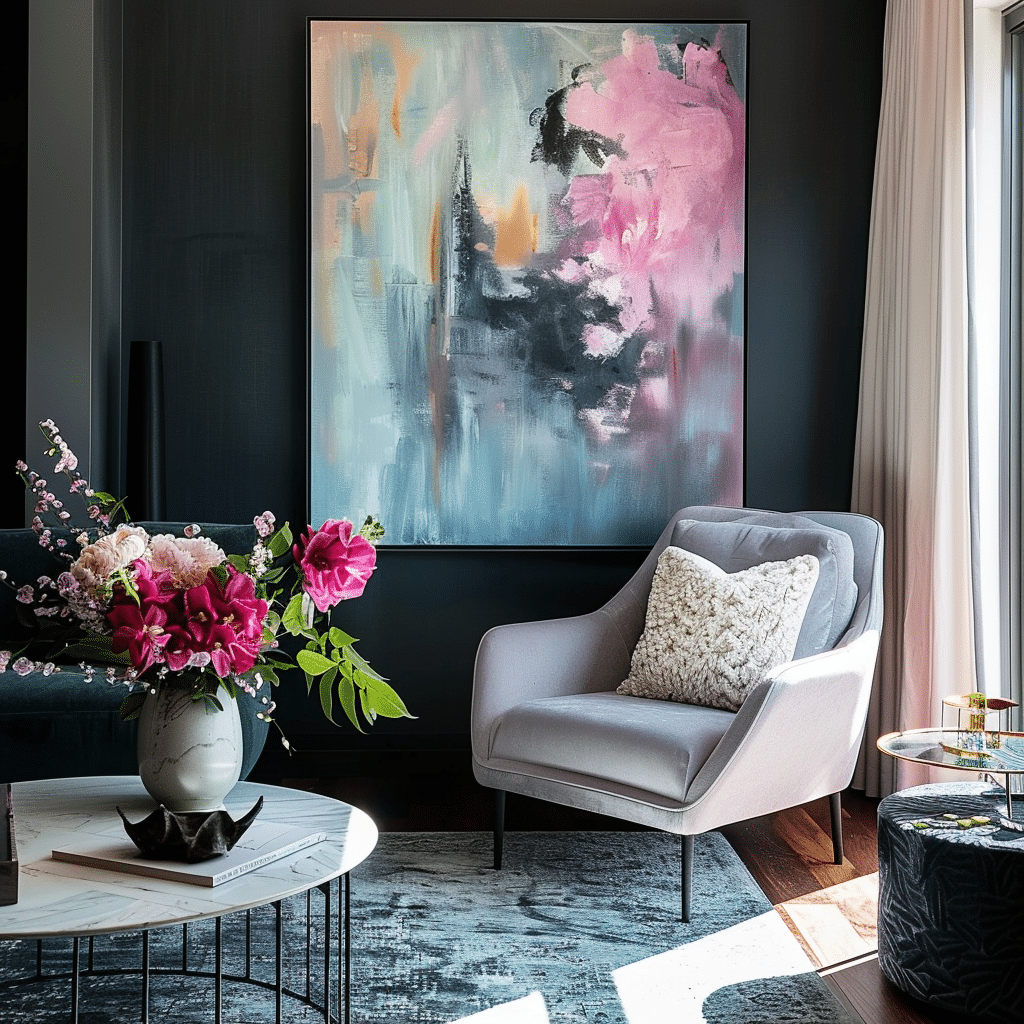
Design a heritage corner featuring a gallery wall of family photographs arranged chronologically to show generational progression. Incorporate an inherited piece of furniture refinished to match your current aesthetic, topped with meaningful objects like vintage books, antique boxes, or cultural artifacts that connect you to your ancestry and family traditions.
Establish a creative inspiration board above a small desk or vanity area where you rotate artwork, magazine clippings, fabric swatches, color samples, and inspirational quotes that reflect your current interests and aspirations. This living mood board evolves with you while maintaining dedicated space for creative expression within your bedroom sanctuary.
According to Architectural Digest, personalized spaces that incorporate meaningful objects create stronger emotional connections and contribute to overall well-being. The psychology of personalized environments has been extensively documented by interior design experts who emphasize the importance of surrounding yourself with items that genuinely resonate.
Frequently Asked Questions
How do I create a bedroom that tells a story without making it look cluttered?
Focus on curation rather than accumulation by displaying only your most meaningful items and rotating others seasonally. Use consistent framing, unified color schemes, and intentional groupings to create visual cohesion. Incorporate negative space around key pieces so each element has room to breathe and be properly appreciated without competing for attention.
Can I combine a bedroom that tells a story with modern minimalist design?
Absolutely, the key is selective display and intentional curation where each visible item carries significant meaning. Choose a neutral, minimal backdrop with clean lines and simple furniture, then incorporate a few powerful statement pieces that tell your story. Quality over quantity becomes especially important in minimalist narrative bedrooms where every element must justify its presence both aesthetically and emotionally.
How often should I update the story elements in my bedroom?
Your bedroom narrative should evolve naturally as your life progresses, typically requiring minor updates seasonally and more significant refreshes annually. Remove items that no longer resonate with your current chapter while incorporating new meaningful objects from recent experiences. This organic evolution keeps your space feeling current and authentic rather than frozen in time.
What’s the best way to display collections without overwhelming a small bedroom?
Vertical display solutions maximize limited space by utilizing walls from floor to ceiling with floating shelves, gallery walls, or tall narrow bookcases. Group similar items together in organized arrangements rather than scattering them throughout the room. Consider glass-front cabinets or shadow boxes that protect and display collections while containing them visually to prevent the space from feeling chaotic.
How do I incorporate personal items while maintaining a cohesive design aesthetic?
Establish a unifying element such as consistent frame colors, repeated materials like wood or metal, or a coordinated color palette that ties disparate objects together visually. Use your most treasured items to determine the room’s color scheme rather than forcing meaningful objects into a predetermined aesthetic. Strategic editing ensures only items that both carry meaning and complement the overall design remain on display.
Conclusion
A bedroom that tells a story transforms your most personal space into an authentic reflection of your journey, passions, and values through intentional design choices. By thoughtfully curating meaningful objects, incorporating heritage pieces, and creating dedicated narrative zones, you develop a sanctuary that evolves with you over time. This personalized approach transcends fleeting trends to create timeless spaces that nurture well-being, inspire creativity, and celebrate the unique story only you can tell through your surroundings.